

One of the most common questions pet owners ask is how often their dog should be groomed. The honest answer is that it depends on the dog. A small short-haired dog who spends most of the day indoors will not need the same routine as a curly-coated poodle, a farm-loving spaniel, or an active family dog who enjoys dusty walks around Paarl and Franschhoek.
Good grooming is not only about looking neat. It helps keep the coat comfortable, supports healthy skin, keeps nails at a safe length, and gives groomers a chance to notice early signs of irritation, matting, ticks, fleas, or ear discomfort. For local pet parents, a sensible grooming rhythm can make daily care at home much easier.
A simple starting point for most dogs
For many dogs, a professional groom every four to eight weeks is a useful starting point. Dogs with longer coats, curly coats, or coats that mat easily may need appointments closer to every four to six weeks. Short-haired dogs may manage well with a longer gap, especially if they are brushed at home and do not have skin sensitivities.
This timing is not a fixed rule. It is a guide. Your dog’s ideal schedule should consider coat type, comfort, age, lifestyle, and the season. Coat type makes a big difference
Different coats need different care. Curly and woolly coats can trap loose hair close to the skin. If they are not brushed and clipped regularly, mats can form quickly. These mats are not just untidy. They can pull on the skin, hide sores, and make grooming more uncomfortable later.
Long-haired dogs often need regular brushing, trimming, and detangling to prevent knots around the legs, ears, tail, and chest. Double-coated breeds need careful coat maintenance to remove loose undercoat without damaging the natural protection their coat provides. Short-haired dogs still benefit from baths, nail trims, ear checks, and skin checks, even if they do not need a full style cut.
This is why good dog grooming advice Paarl should always look at the individual dog, not only the breed name.
Lifestyle matters in the Winelands
Paarl and Franschhoek dogs live varied lives. Some enjoy garden time, vineyard walks, family outings, or regular visits to pet-friendly spaces. Others are more relaxed home companions. Dust, pollen, dry grass, mud, and seasonal shedding can all affect the coat.
Active dogs may need more regular bathing and brushing because dirt and allergens sit in the coat. Dogs who swim or get damp often may need extra attention around the ears and skin folds. Dogs who wear jerseys in colder months should also be checked for friction and knots underneath clothing.
When your dog’s lifestyle changes, the grooming schedule may need to change too.
Signs your dog may need a groom sooner
Even if you have a routine, your dog may show signs that an appointment is needed earlier than planned. Watch for:
- a coat that feels greasy, dusty, or heavy
- knots behind the ears, under the legs, or near the tail
- scratching, licking, or chewing at the skin
- a doggy smell that returns soon after bathing
- nails clicking loudly on floors
- dark wax or odour around the ears
- shedding that becomes difficult to manage at home
- reluctance to be brushed
These signs do not always mean something serious is wrong, but they do mean your dog may be uncomfortable. A calm grooming appointment can help reset the coat and give you a clearer idea of what maintenance is needed.
Why waiting too long can make grooming harder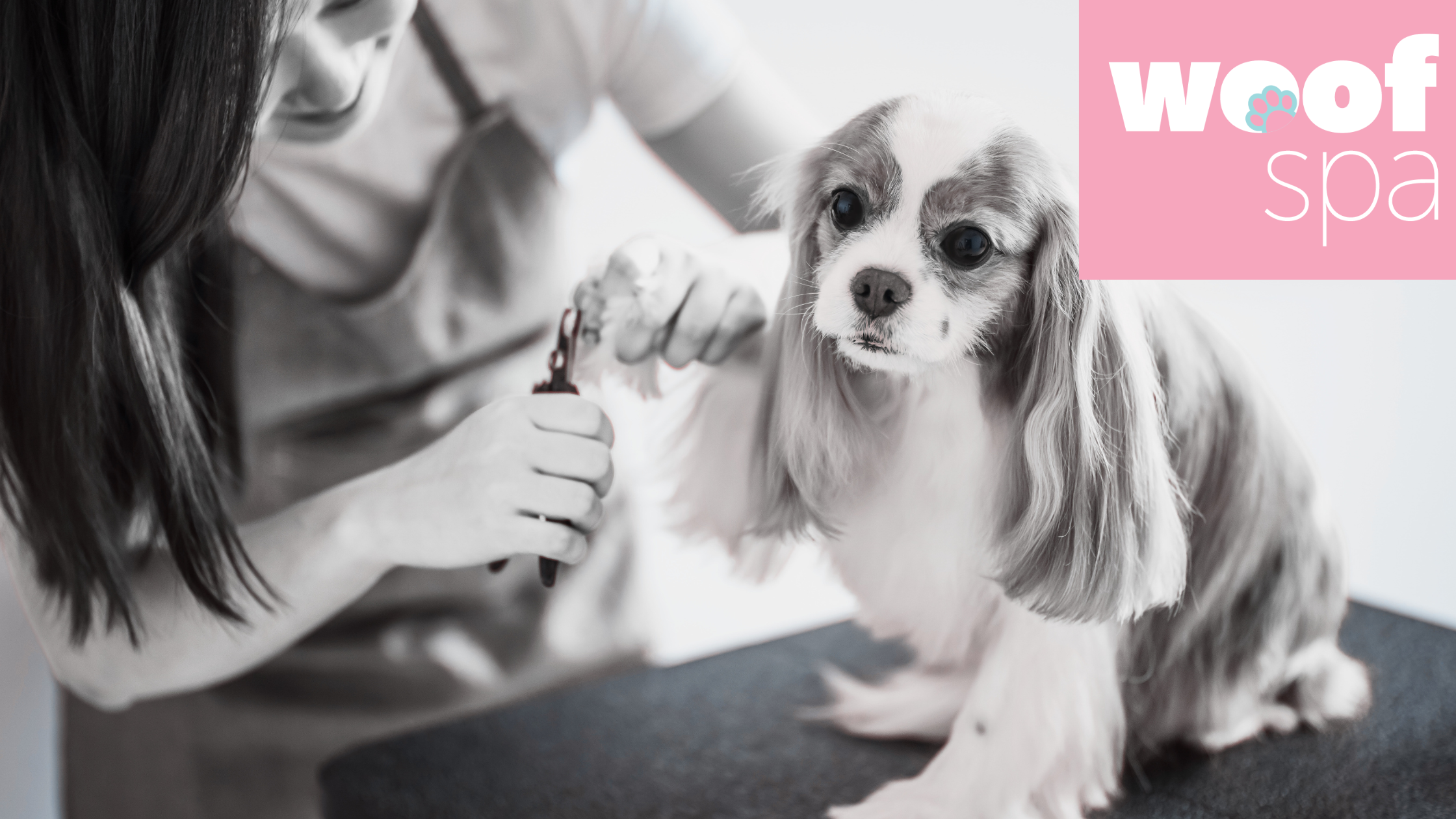
It can be tempting to delay a groom, especially when your dog still looks fine from a distance. The problem is that coat issues often build up quietly. A few small tangles can become tight mats. Slightly long nails can change how a dog stands or walks. Mild ear dirt can become more irritating. A coat that needs brushing can start trapping heat, dust, and debris.
When grooming is left too long, the next appointment may take longer and feel more stressful for the dog. Regular grooming is usually gentler because the coat is easier to work with and the dog becomes familiar with the process.
What about bathing at home?
Home bathing can be helpful between appointments, but it should be done carefully. Use pet-safe products, rinse thoroughly, and make sure the coat dries properly. Dampness trapped under a thick or curly coat can irritate the skin. Bathing a matted coat can also tighten the mats, which makes them harder to remove.
For many owners, professional grooming remains the safest option because it includes coat preparation, correct drying, nail care, and checks that are difficult to manage properly at home.
You can also review dog grooming prices when planning a routine that suits your dog and your household.
How mobile grooming helps with consistency
One reason pet owners fall behind on grooming is convenience. Driving to a parlour, waiting in traffic, fitting appointments around work, and managing an anxious dog in a busy environment can all make grooming feel like a big task.
Mobile grooming helps remove much of that pressure. With WoofSpa, your dog is groomed close to home in a more focused setting. A regular mobile routine also makes it easier to plan ahead instead of waiting until the coat becomes difficult to manage.
Building the right schedule for your dog
A good grooming routine should feel realistic. Start with your dog’s coat type, then adjust based on what you notice between appointments. If knots form quickly, shorten the gap. If the coat stays clean and comfortable, a longer rhythm may work. If your dog has skin concerns, allergies, or age-related sensitivity, ask your vet and groomer for guidance.
As a general guide, dogs with high-maintenance coats often do well with grooming every four to six weeks. Medium-maintenance coats may suit six to eight weeks. Lower-maintenance short coats may need less frequent full grooms, but still benefit from regular nail trims, baths, ear checks, and brushing.
Conclusion
There is no perfect grooming calendar for every dog in Paarl and Franschhoek. The best schedule is the one that keeps your dog comfortable, clean, and easy to care for between visits. Coat type, activity level, season, and temperament all matter.
If you are unsure where to start, book a professional assessment and build a routine from there. The WoofSpa team can help you choose a practical schedule for your pet, with calm mobile care designed around comfort, convenience, and local Winelands living. When your dog starts to show signs that their coat, nails, or skin need attention, it is usually time to book a grooming session.