

Winter in the Western Cape brings cold mornings, damp lawns, muddy paws and those chilly evenings when dogs want to curl up somewhere warm. It is tempting to think dogs need less grooming in winter because they are not swimming, shedding as heavily or spending as much time outdoors. In reality, winter coat care matters just as much as summer grooming, and sometimes even more.
A healthy coat helps protect your dog’s skin, regulate warmth and keep them comfortable. When coats become damp, tangled or packed with dirt, dogs can feel itchy, cold and restricted. Good winter grooming is not about cutting everything short. It is about keeping the coat clean, dry, brushed and manageable.

Why winter coats still need regular attention
Dogs use their coats as natural insulation. Long, fluffy and double coats can trap warmth, but they can also trap moisture, dust and debris. If the coat is not brushed regularly, loose hair and tangles can build up close to the skin. Over time this can lead to matting, which pulls on the skin and may cause discomfort.
Short-coated dogs also need attention in winter. Their coats may not mat in the same way, but they still collect dirt, dander and oils. Regular bathing, gentle brushing and nail care help keep them comfortable indoors, especially when they spend more time on blankets, couches and beds.
Winter grooming is about balance. Your dog should stay warm, but their coat should not become heavy, dirty or uncomfortable.
Brushing is the foundation of winter coat care
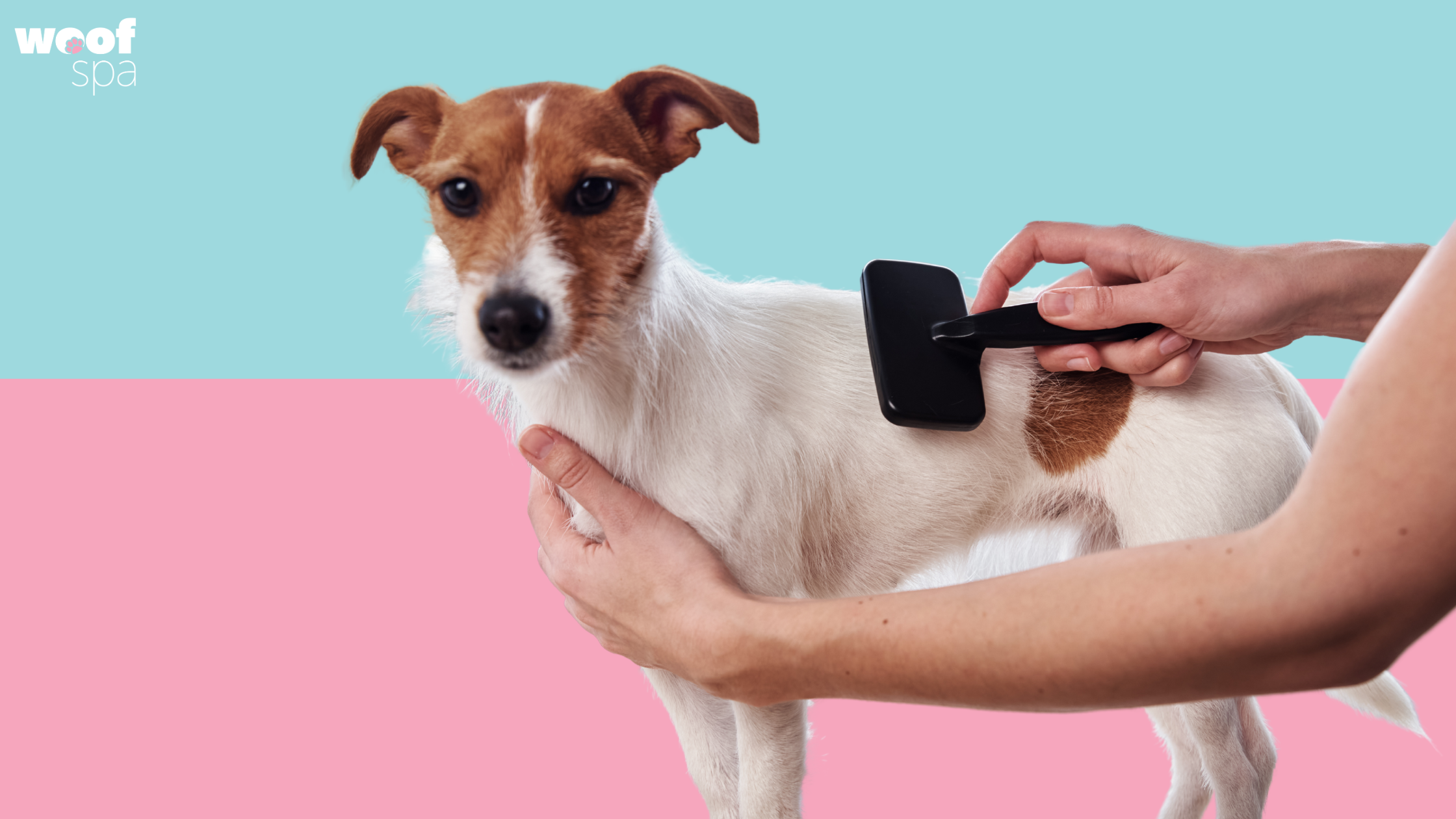
Brushing is one of the simplest ways to support your dog’s coat during colder months. It removes loose hair, spreads natural oils and helps prevent knots before they become painful mats. For long-coated dogs, brushing may be needed several times a week. For medium and short coats, a weekly brush may be enough, depending on the dog.
Pay attention to areas where friction happens. Mats often form behind the ears, under the collar, in the armpits, around the back legs and near the tail. These spots are easy to miss because they are not always visible at first glance.
Use the right brush for your dog’s coat type. A slicker brush may suit longer coats, while a rubber grooming mitt can work well for short coats. If you are unsure, ask a groomer during your next appointment or browse frequently asked grooming questions for general guidance.
Drying properly after rain or baths
Damp coats are a common winter problem. A dog may come inside after a quick garden run looking only slightly wet, but moisture can sit deeper in the coat. This is especially true for thick, curly or double-coated breeds. If that moisture stays trapped, it can contribute to odour, tangling and skin irritation.
After wet walks or rainy toilet breaks, towel dry your dog well. Focus on the belly, legs, paws, chest and areas under the ears. Dogs with thick coats may need extra drying time. Avoid leaving them damp in a cold room or draughty area.
After a professional bath, proper drying is just as important as washing. A groomer can dry the coat more thoroughly and check whether any areas are holding moisture or beginning to mat.
Bathing frequency in colder weather
Many owners wonder whether dogs should be bathed less in winter. The answer depends on coat type, skin condition and lifestyle. A mostly indoor dog may need bathing less often.
Bathing too often with the wrong products can dry the skin. Waiting too long can allow dirt, oils and loose hair to build up. A gentle, dog-safe shampoo and proper drying are important. If your dog has sensitive skin, allergies or recurring itchiness, speak to your vet and let your groomer know.
For owners planning seasonal care, checking dog grooming prices can help you budget for regular winter maintenance without surprises.
Coat types need different winter routines
Not all dogs should be groomed the same way. Double-coated breeds, such as huskies, collies and shepherd-type dogs, should not usually be shaved unless there is a medical or severe matting reason. Their coats need brushing and de-shedding to work properly.
Curly-coated dogs, such as poodles and poodle crosses, can mat quickly if their coats are left too long without brushing. They may need regular trims even in winter, but the groom can be adjusted for comfort and warmth.
Long silky coats may tangle easily in wet weather, especially around legs and ears. Short coats still benefit from bathing, brushing, nail trimming and skin checks. A professional groomer can recommend a routine that suits your dog rather than applying one rule to every breed.
Paw care in cold, wet months
Winter coat care should include paws. Mud, small stones and grass seeds can get stuck between toes. Wet paws can also make floors slippery and may leave dogs licking or chewing if something feels uncomfortable.
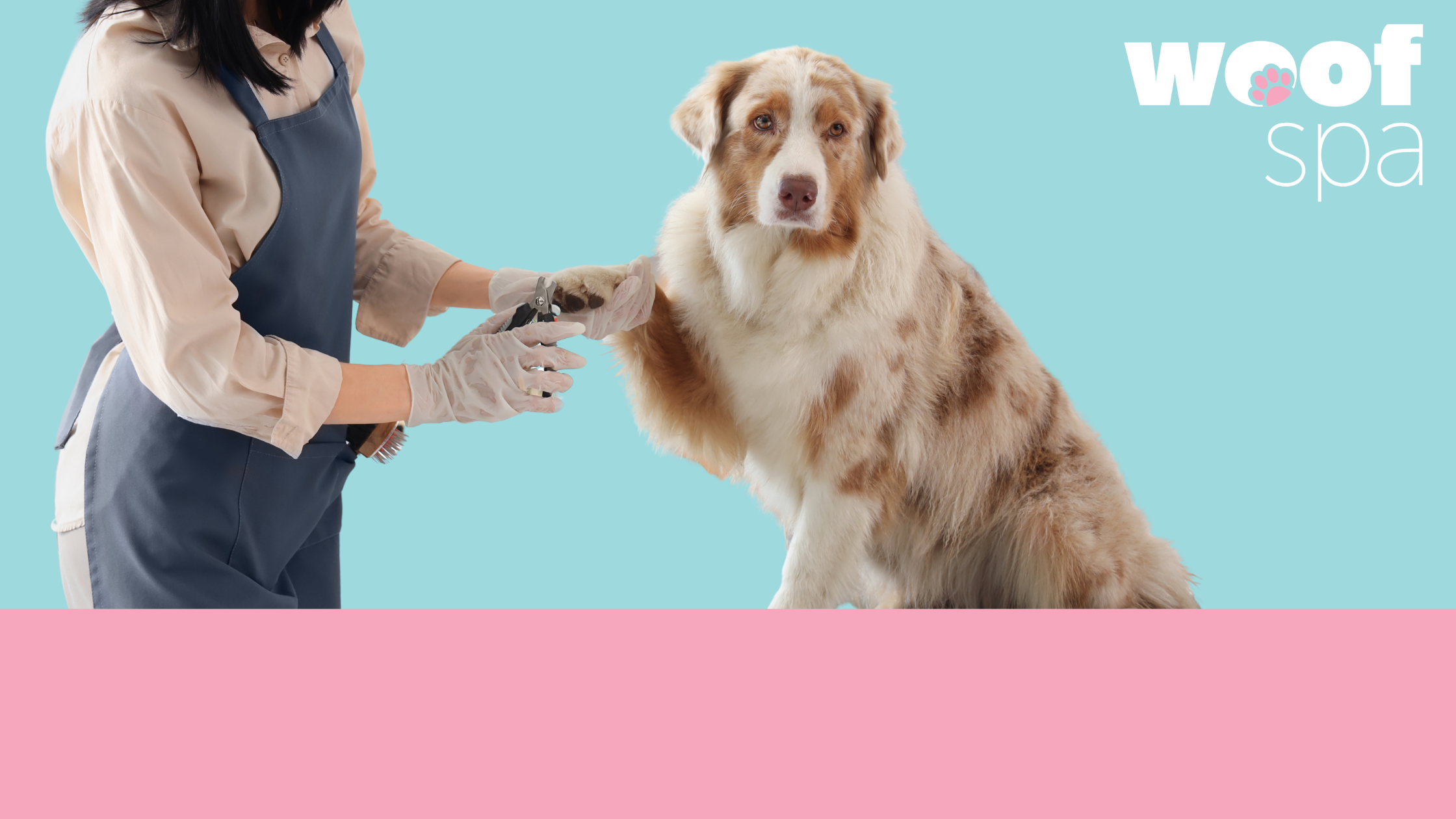
Wipe paws after walks and check between the toes. Keep nails at a comfortable length so your dog can walk properly on indoor floors and outdoor paths. Overgrown nails can affect posture and make movement less comfortable, especially for older dogs.
A tidy paw trim can help some dogs, particularly those with long hair under the feet. It makes cleaning easier and can reduce the amount of mud brought inside.
How WoofSpa helps with winter comfort
WoofSpa supports dog coat care in winter with practical mobile grooming for Paarl, Franschhoek and surrounding areas. Because grooming happens close to home, your dog avoids unnecessary travel on cold or wet days. This is helpful for nervous dogs, older pets and owners with busy schedules.
A winter grooming session may include bathing, drying, brushing, trimming, nail care and coat checks. The groom can be tailored to your dog’s needs, whether they need a tidy-up, a full groom or regular maintenance to prevent matting.
You can learn more about The Woof Group if you are choosing a local grooming team, or make online grooming bookings when your dog is due for care.
FAQ
Should I cut my dog’s coat short in winter?
Not always. Some dogs need trimming to prevent mats, but many coats should be maintained rather than cut very short. Your groomer can guide you based on coat type.
Can wet fur make my dog uncomfortable?
Yes. Damp fur can make dogs cold and may contribute to tangles, odour and skin irritation, especially in thick coats.
How often should I brush my dog in winter?
Long and curly coats may need brushing several times a week. Short coats may need less, but regular brushing still helps remove loose hair and dirt.
Should dogs be bathed in winter?
Yes, when needed. The key is using suitable products and drying the coat thoroughly afterwards.
Keep your dog cosy and comfortable
Winter grooming is not just about appearance. It helps your dog feel warm, clean and comfortable through cold, damp weather. For local support with dog coat care in winter, book a grooming session with WoofSpa and keep your pet’s coat healthy all season.