
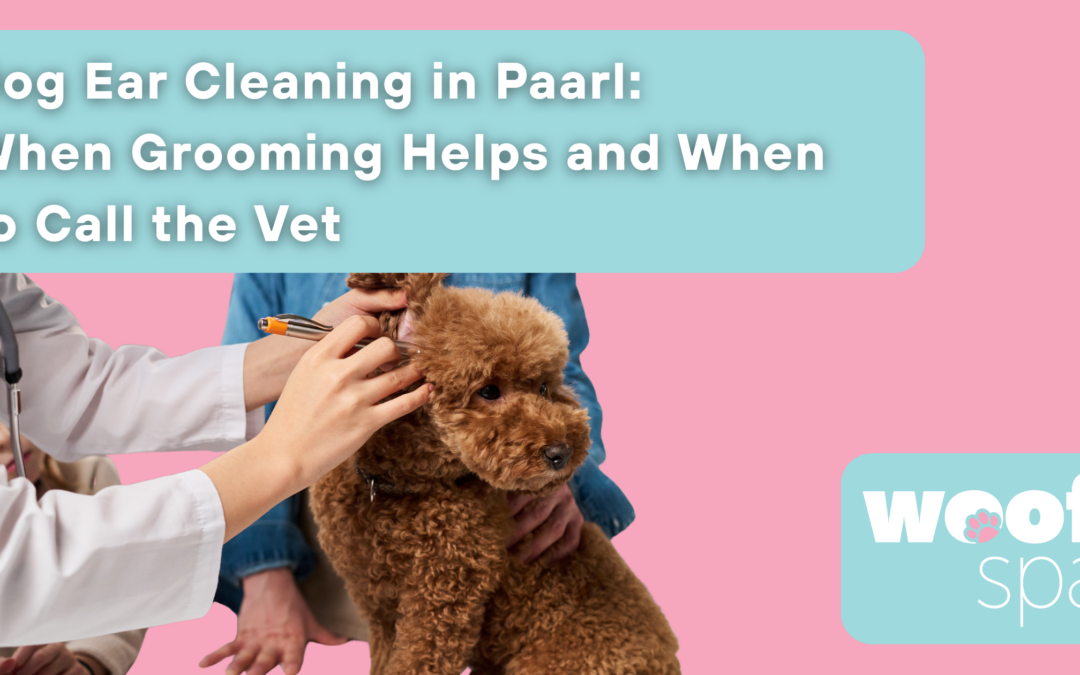
Why Ear Care Matters More Than Many Owners Realise
Dog ear care often gets attention only once something starts to smell wrong. A pet may seem perfectly comfortable for weeks, then suddenly begin shaking the head, scratching at one ear, or resisting touch around the face. By that stage, what started as simple wax build-up or retained moisture may already have become a bigger issue.
That is why dog ear cleaning in Paarl deserves a more practical conversation. Grooming can support routine ear hygiene, especially for dogs with floppy ears, hairy ear areas, or an active outdoor lifestyle. But ear care also has limits. A groomer can help keep the outer ear area tidy and notice when something looks unusual. A groomer should not be treated as a substitute for veterinary diagnosis when pain, inflammation, or discharge is present.
The anatomy of the canine ear partly explains why this matters. VCA explains that the dog ear canal is shaped in a way that can trap debris and moisture more easily than many owners expect, which is one reason correct cleaning technique matters. In everyday life around Paarl, dust, damp grass, swimming, and seasonal allergies can all add to the picture.
At The Woof Group, grooming is positioned as calm, professional care rather than rushed volume work. That matters for ear handling too. A dog who is approached gently is far more likely to tolerate sensible checks and routine maintenance without turning the process into a struggle.
Which Dogs Often Need More Routine Ear Attention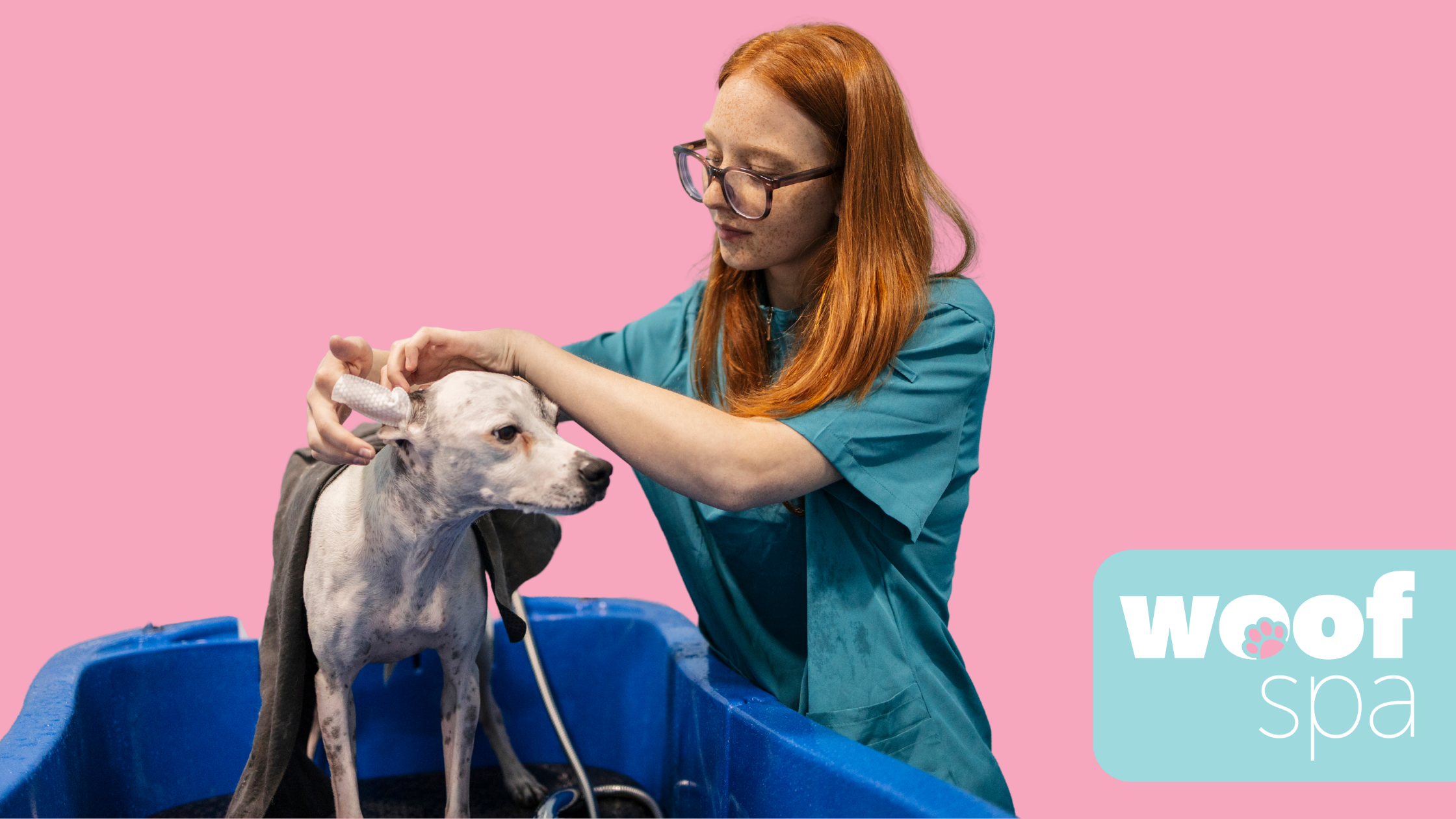
Not every dog needs the same ear routine. A short-coated dog with upright ears may go for long periods with very little wax or odour. Another dog may need much closer monitoring because the ear flap holds in warmth and moisture. According to AKC and VCA guidance, dogs with large floppy ears, narrow canals, or more hair around the ear region are often more prone to ear trouble.
In practical terms, that means many spaniels, poodles, doodles, retrievers, and similar coat types benefit from regular checks. Dogs that swim, play in irrigation water, or spend time romping through wet vineyards and gardens may also need closer attention. Paarl households often balance warm weather, dusty paths, and active weekends, so it makes sense that ears can quietly become one of those overlooked maintenance areas.
This does not mean owners should clean ears constantly. Over-cleaning can irritate the ear canal, and using unsuitable products can make matters worse. The aim is not a stripped, squeaky-clean ear. It is a healthy, comfortable ear that is checked often enough for changes to be noticed early.
How Grooming Can Help Safely
So where does a professional groom fit in? Grooming is most useful for observation, gentle upkeep, and routine maintenance. During an appointment, the groomer can look at the outer ear area, note excess wax or smell, tidy surrounding hair if appropriate, and flag concerns before they become harder to ignore.
This is particularly helpful when ear care is folded into a broader routine rather than treated as an emergency-only task. A dog that comes in for coat care, nails, and general maintenance is already being handled in a calm, structured way. If ears are checked consistently, owners get better continuity and fewer unpleasant surprises.
WoofSpa’s published packages already include ears as part of the core grooming service, which makes regular maintenance easier to build into a normal booking rhythm. On the dog grooming prices page, ears are listed within the standard mini and full groom descriptions. That kind of transparency is useful because it shows owners that ear checks are not an afterthought. They are part of sensible, whole-dog care.
When It Is Time to Call the Vet Instead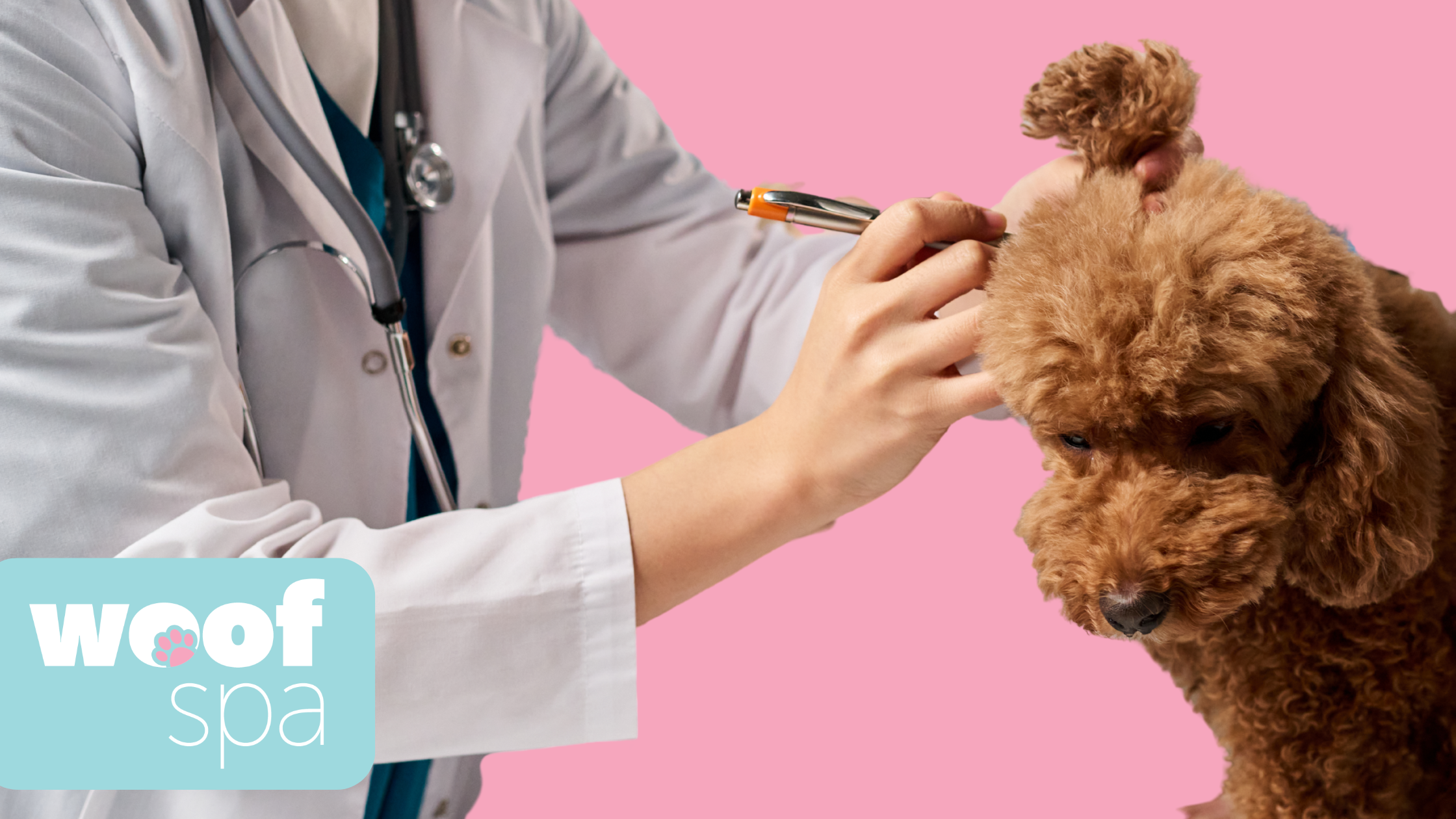
This is the line owners should understand clearly. If an ear is red, painful, swollen, strongly odorous, producing discharge, or causing repeated head shaking, grooming should not be the first or only response. AKC notes that ear disease is common in dogs, and warning signs can include redness, smell, discharge, scratching, and visible discomfort. Those are veterinary signs, not beauty-service signs.
A professional groomer may be the first person to notice that something looks wrong, and that can be genuinely valuable. But once infection, inflammation, or pain is suspected, the dog needs medical assessment. Trying to flush or scrub a sore ear can worsen the experience and make the dog more fearful of future handling.
This is why the most premium grooming experiences are not only gentle. They are also disciplined about scope. Calm, careful professionals know when to continue and when to stop. On the about our grooming team page, WoofSpa presents a service built around professional, caring handling. That tone matters because trust is shaped not only by what a groomer offers, but also by what the groomer refuses to pretend to diagnose.
Why a Routine Works Better Than Last-Minute Problem Solving
There is a broader lesson here for pet owners in the Winelands. Ear care works best when it lives inside a routine. A dog that is regularly brushed, bathed when appropriate, and professionally groomed at sensible intervals is simply easier to monitor. Small changes are noticed earlier. Handling stays familiar. Stress stays lower.
That matters especially for anxious dogs. The more dramatic and infrequent the handling, the more resistance owners often encounter. In contrast, a calm grooming rhythm teaches the dog that paws, coat, face, and ears can all be handled predictably. That creates a better experience at home and at appointments alike.
There is also a household convenience angle. For owners weighing timing and cost, it helps to know what is included and when extras may apply. The frequently asked grooming questions page helps reinforce the broader service scope, while regular appointments make it easier to keep track of recurring maintenance without waiting for obvious discomfort.
A Calm, Informed Approach to Ear Hygiene
The most useful mindset is a balanced one. Ear cleaning is important, but it should never become aggressive or improvised. Routine observation, sensible maintenance, and professional support are valuable. So is knowing when the ears have moved beyond grooming territory and into veterinary territory.
For Paarl pet owners, that balance is what makes long-term care feel polished rather than reactive. A good groom is not only about a neat coat and tidy paws. It is also about noticing the small details that shape comfort. Ears are one of those details.
If your dog has been shaking the head more often, developing odour around the ears, or simply needs more consistent general upkeep, this is a sensible moment to book a grooming session. For a practical veterinary overview of safe technique, owners can also read VCA’s guidance on ear cleaning in dogs.
FAQs
How often should a dog’s ears be cleaned?
It depends on the dog. Some dogs need only occasional checks, while others with floppy ears, frequent swimming, or heavier wax build-up need more regular maintenance. The safest approach is to base frequency on your dog’s ear health and your vet’s advice rather than a rigid schedule.
Can a groomer treat an ear infection?
No. A groomer can notice warning signs and advise you to see a vet, but infection, pain, inflammation, and discharge need veterinary assessment and treatment.
Which dogs usually need more ear attention?
Dogs with floppy ears, narrow canals, more hair around the ear region, or active outdoor and swimming lifestyles often need closer monitoring than dogs with open, upright ears.
Is ear cleaning included in a normal grooming appointment at WoofSpa?
WoofSpa’s pricing page lists ears as part of its standard mini and full grooming services, so routine ear upkeep forms part of normal grooming care.
What signs mean I should stop home cleaning and call the vet?
Redness, strong odour, discharge, swelling, repeated head shaking, crying when the ear is touched, or obvious pain are all good reasons to stop and arrange a veterinary visit.