

Introduction
As dogs grow older, their needs change—and that includes their grooming routine. Just like humans, senior dogs experience physical changes: stiffer joints, sensitive skin, or thinning coats. At The Woof Group in Paarl, we work with many older pets and understand how to make grooming sessions as calm and comfortable as possible. This guide covers the best senior dog grooming tips for pets in Paarl and Franschhoek, helping you give your loyal companion the care they deserve in their golden years.
Why Grooming Matters for Senior Dogs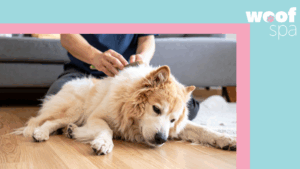
As your dog ages, grooming becomes more than just aesthetics. It’s about hygiene, comfort, and spotting early health issues. Here’s why grooming is essential for older dogs:
- Skin Sensitivity: Older skin is thinner and more prone to irritation.
- Mobility Issues: Less movement can lead to matted fur and overgrown nails.
- Hygiene Maintenance: Regular cleaning prevents infections, especially around the ears, eyes, and paws.
- Early Detection: Groomers often spot lumps, skin changes, or pain points that need a vet’s attention.
Signs Your Senior Dog Needs a Groom
- Unkempt or matted coat
- Long nails are causing discomfort
- Dirty or smelly ears
- Tear stains or gunky eyes
- Difficulty getting up after lying on hard floors
Grooming Tips for Older Dogs

1. Use Gentle Tools and Techniques
- Switch to soft-bristle brushes or rubber grooming mitts.
- Be extra gentle on bony areas or where the coat has thinned.
- Keep sessions short and allow breaks if your dog becomes restless.
2. Nail and Paw Care
- Older dogs often don’t wear down their nails naturally, especially if they are less active.
- Long nails can alter posture and cause pain.
- Trim regularly or let The Woof Group take care of it safely.
3. Adapted Bathing Approach
- Use warm water and quick-drying, hypoallergenic shampoos.
- Consider a waterless wash between full grooms.
- Always dry thoroughly, especially in cooler months.
4. Check Ears, Eyes & Teeth
- Clean ears gently to avoid wax buildup or infections.
- Wipe away tear stains with a soft cloth or grooming wipe.
- Ask about gentle teeth-cleaning options during grooming.
5. Ensure Comfort During Grooming
- Use non-slip mats to prevent slipping.
- Provide support with ramps or gentle lifting.
- Keep the space quiet and soothing—loud dryers or busy spaces may stress senior dogs.
Grooming Frequency for Seniors
While each dog is different, here’s a general guide:
- Brushing: 2–3 times a week
- Nail trimming: Every 4–6 weeks
- Full grooming session: Every 6–8 weeks
- Ear/eye checks: Weekly at home or during grooms
Senior Dog Grooming Checklist
- Use soft brushes and mitts
- Short grooming sessions with breaks
- Regular nail trims to avoid posture issues
- Clean ears and check eyes weekly
- Book professional grooms every 6–8 weeks
FAQ
Q: My senior dog gets anxious during grooming. What can I do?
A: Choose a groomer experienced with older pets. At The Woof Group, we create a calm, supportive space and can schedule shorter, more frequent sessions.
Q: Can grooming help my dog’s mobility?
A: Yes. Trimming nails, removing mats, and keeping pads clean reduces discomfort and helps with mobility.
Q: What if my dog can’t stand for long periods?
A: We offer seated or resting grooms where dogs lie or sit comfortably during the process.
Conclusion
Grooming is an act of love, especially for our senior pets. It keeps them clean, comfortable, and healthy while offering a chance to bond. If your dog is showing signs of ageing, it’s time to adjust their grooming routine. Book a gentle senior pet grooming session at The Woof Group in Paarl today, and let us care for your dog like one of our own.